

In a society dealing with environmental shifts, rising population, and escalating water shortages, securing dependable access to freshwater and essential minerals has ever been more important. Borehole drilling is hailed as a preemptive approach to ensuring a consistent supply of water, especially when surface sources become inconsistent. This thorough exploration of the earth allows individuals and communities to tap into underground water sources and rock formations, offering a long-term solution that extends further than mere practicality.
As we delve into the intricacies of borehole drilling, we uncover its multiple advantages, from environmental resilience to the possibility for agricultural and manufacturing applications. Regardless of whether you are considering drilling for drinking water, livestock needs, or even geo-energy potential, understanding the drilling process, ideal placement, and necessary safety checks is essential. This comprehensive guide will prepare you with valuable insights into how borehole drilling can both safeguard your water supply but also improve your overall capacity in an progressively unpredictable environment.
Understanding Borehole Boring
Borehole drilling is the process of creating deep, narrow wells that access underground aquifers or mineral assets. In contrast to traditional wells, which generally rely on surface water, boreholes tap into deeper aquifers, ensuring a more reliable access of water in many regions. As https://www.phdrilling.uk/ puts growing pressure on surface water resources, borehole drilling comes forth as a critical method for obtaining essential resources, ensuring that households, agriculture, and industries can persist to thrive despite fluctuating environmental conditions.
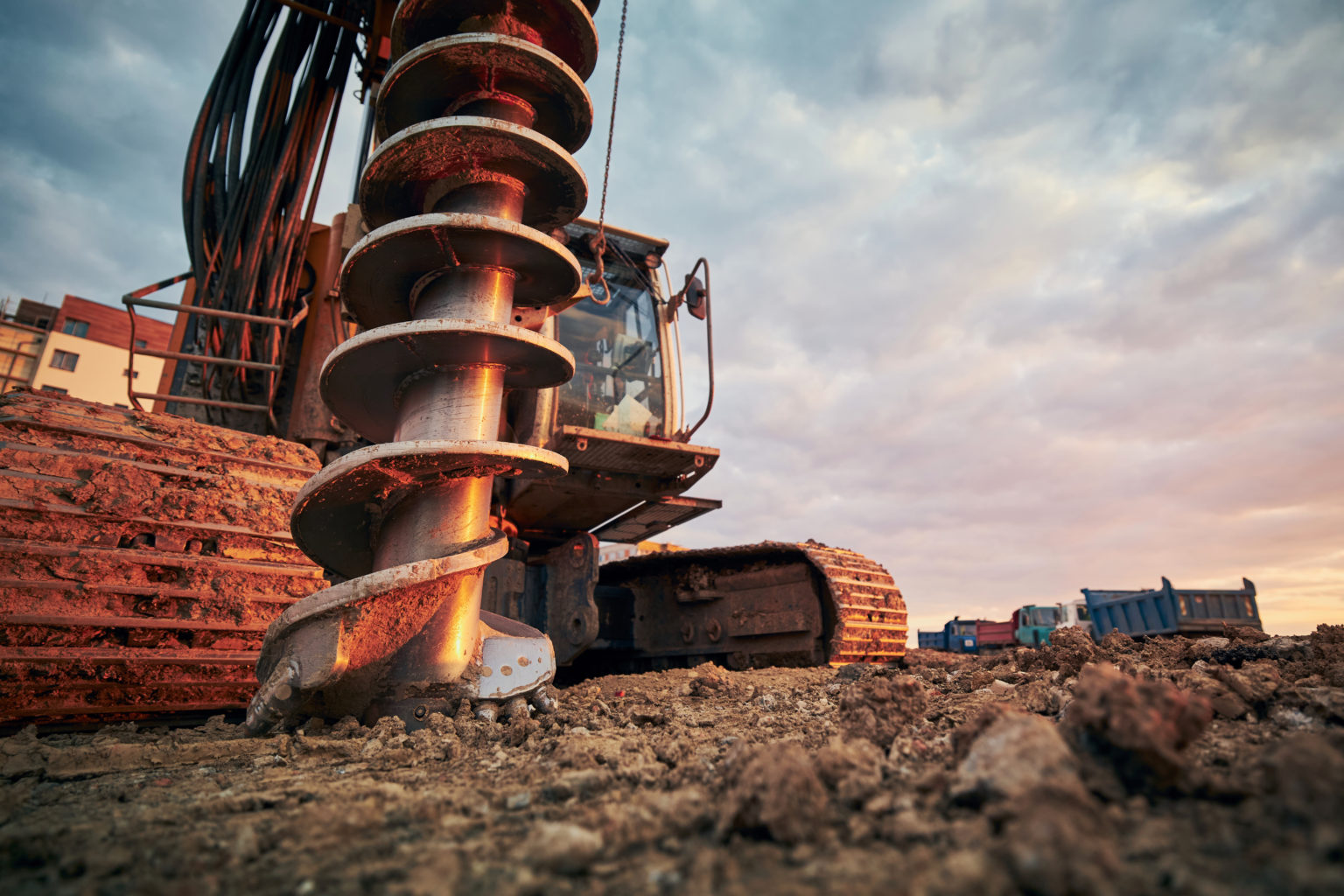
The drilling process itself entails a number of steps, starting with site assessment and planning. This includes geological surveys to determine the ideal location and depth for drilling, which is crucial for maximizing the yield of water and quality. Once a space is selected, specialized drilling machinery, including various drill bits designed for varied geological formations, is used to penetrate the ground. This technology plays a vital role in determining both the effectiveness of the drilling process and the overall success of the borehole in accessing underground resources.
After drilling, the durability of the borehole must be protected through casing, which prevents collapsed walls and contamination. Properly constructed boreholes can provide fresh water for drinking, irrigation, and industrial use, while also requiring ongoing oversight and testing to ensure cleanliness and sustainability. By comprehending the fundamentals of borehole drilling, property owners and investors can make informed decisions that address water security and resource management effectively.
Planning and Financial Planning for Water Wells
When considering borehole construction, effective planning and financial management are crucial to ensuring a positive outcome. Begin by evaluating your aquifer needs, the suitable site, and the geological characteristics of the area. Carrying out a Geological survey or consultation with a hydrogeologist can offer valuable insights into the underground aquifer sources available and the optimal drilling techniques to use. This pre-drilling analysis lays the groundwork for a smooth process and can help prevent unforeseen issues.
Additionally, it's important to set a budget that includes not just the initial drilling costs but also recurring maintenance, testing, and possible purification of water. A comprehensive budget should account for permits and documentation, which are often required before drilling can commence. Remember to factor in costs for materials, equipment, and labor, as these can vary significantly based on the depth of the borehole and the specific drilling method selected, be it casing or shallow well.
Finally, evaluate potential return on investment, especially if the borehole will serve various purposes such as irrigation for agriculture, livestock drinking, or supporting industrial needs. Analyzing the long-term benefits of having a reliable water source can validate the initial expenses and enhance your property’s worth. Preparing and budgeting properly ensures that you are ready for both the challenges and rewards of borehole drilling, leading to for sustainable water access.
Ensuring Water Quality and Sustainable Practices
Keeping water quality is essential for any borehole owner. Checking for contaminants such as arsenic and nitrate levels should be a high priority after drilling and from time to time afterwards. Consistent water testing provides assurance that the water is safe for drinking and other uses. It is equally important to keep an eye on any alterations in taste, odor, or color, as these can indicate potential issues. Updated testing ensures any pollutants are detected early, allowing for timely remediation.
Long-term sustainability goes further than merely having water availability; it involves understanding and managing the aquifer from which the borehole draws. Implementing restoration systems can play a crucial role in ensuring that the water table remains sustainable over time. Observing flow rates and water levels will help determine whether the borehole is extracting water at a sustainable rate or if adjustments are necessary to prevent over-extraction, which can lead to reduction of local water resources.
In conclusion, the materials used in borehole construction significantly influence its longevity and the quality of water produced. Choosing durable and non-reactive materials ensures that the well can withstand the test of time without diminishing water purity. Adequate casing prevents surface contaminants from entering the water supply while also providing stability to the borehole, which is crucial for ongoing sustainability and reliability. Investing on quality construction and upkeep will yield long-term benefits, not just for your current needs, but for posterity as well.