

Electricians play a vital role in guaranteeing that our homes and commercial spaces have safe and reliable electrical systems. Whether look at more info are a professional expert or just starting out in the field, having the right tools and knowledge is essential for achieving success on each job. The electrician's toolkit goes beyond just material tools; it includes an awareness of codes, regulations, and best practices that safeguard both the electrician and the customer.
In this article, we will discuss the essential gear each electrician should have at their command, along with key topics that emphasize the importance of protection and efficiency. From grasping residential wiring standards to diagnosing frequent electrical issues, we will cover a variety of topics that prepare electricians with the expertise needed to handle the complexities of electrical work. By the end, you'll have a clearer picture of how particular tools and methods can improve your expertise in the electrical trade.
Comprehending Electrical Wiring Codes and Safety Guidelines
Electrical wiring codes along with safety standards are essential for guaranteeing the security and performance of home electrical systems. Such regulations provide a structure to the appropriate installation and care of wiring systems, helping to avert hazards like fires and shock incidents. Formulated by bodies like the National Fire Protection Association and the IEC Authority, these regulations are amended periodically to incorporate recent safety measures and technological advancements. It’s essential that power professionals to remain informed in regulatory requirements to ensure adherence along with the security of the work they perform.
Compliance to wiring codes also requires knowing regional changes and rules that may differ compared to national codes. Electrical workers must learn with local building codes, that often specify exact needs related to domestic electrical work, which include the nature of used materials, grounding protocols, and installation methods. Such local understanding facilitates the effective management of regulatory checks while guarantees that all tasks complies with the required legal and safety standards. Neglecting these codes can lead to grave outcomes, such as expensive fixes along with dangerous living conditions.
At the conclusion, knowledge along with adherence with wiring codes as well as safety standards enable electricians for them to execute their duties confidently and effectively. Continuous training and development, for example joining workshops and gaining certifications, is essential for staying updated on updates to legislation as well as new safety practices. While the electrical landscape keeps to evolve, so too must evolve of electrical technicians to sustain safe and effective electrical systems in homes.
Troubleshooting Typical Electrical Issues
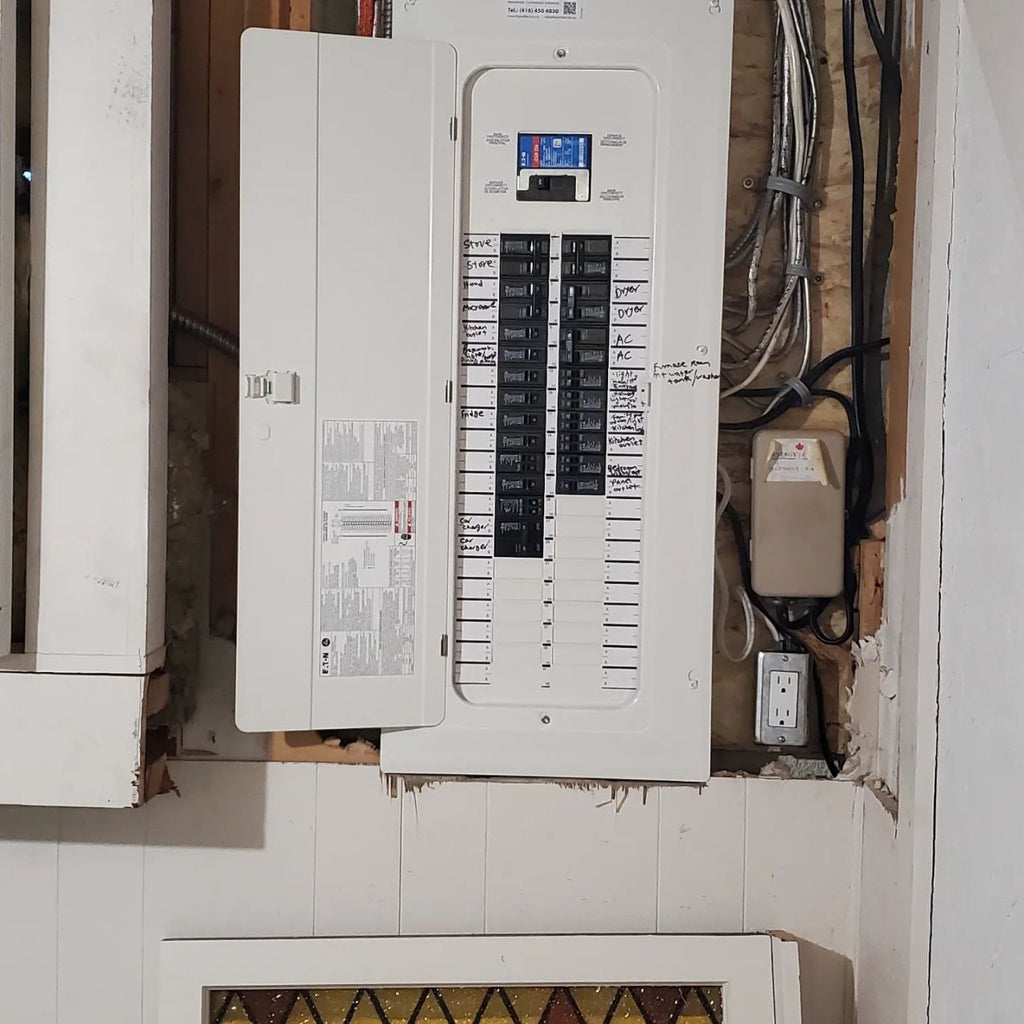
In the event of electrical issues in a home, frequent issues often consist of tripped breakers, flashing lights, and intermittent power outages. A breaker trip usually indicates that an electrical system is excessively tasked or there’s a fault in the wiring. To address this, the initial action is to determine which line is affected by examining the main service panel. Once the circuit is known, check devices and outlets on that circuit for problems. If restarting the breaker does not fix the issue, it may be time to reach out with a qualified electrician.
Flashing lights can be a bother and may signify bad wiring or issues with the luminaire. Begin by fastening any wobbly bulbs and verify the fixture links are stable. If the flashing continues, it could suggest a larger problem with the system or a need for a heavier gauge wire if the existing wiring cannot handle the electrical load. Regularly inspecting connections and changing old fixtures can avoid these problems from escalating.
Intermittent power issues can stem from various causes like malfunctioning circuits, tripped GFCI outlets due to moisture, or even troubles with the utility provider. Begin your investigation by determining if other lights are affected. If the issue seems confined, check the wiring and connections in that space. For GFCI outlet concerns, check that the GFCI outlets are functioning properly and are not tripped unnecessarily. Persistent power issues should be checked by a trained specialist to guarantee that all safety standards are observed and to avoid potential dangers.
Optimal Practices for Installing Electrical Installations
When installing electrical systems, safety must always be the top concern. Prior to starting any assignment, verify that you understand important domestic electrical codes and safety guidelines. This requires acquainting oneself with community regulations and field guidelines, which assist stopping mishaps and code violations. Invariably don correct PPE and employ appropriate tools to lessen dangers during executing any installation activities.
Another key element of efficient installation is adequate preparation and load estimates. It is crucial to assess power needs for recent appliances, particularly heavier units like air conditioning units or ovens, to avoid overloading circuits. Choosing the suitable thickness cable is crucial for confirming that the cabling can safely accommodate the projected load without risking fires. Additionally, incorporating ground fault circuit interrupters in areas vulnerable to humidity, such as bathrooms and kitchens, aids boost security and reduces the risk of hazards.
Lastly, while planning circuits, think about upcoming tech load increases. With the rise of connected home technologies and additional devices, it may be necessary to create circuits that can support greater requirements. Reviews of current wiring for deterioration and code compliance modifications must too be routinely conducted to maintain the integrity of the system. Complying with these top suggestions will create more secure and more productive systems that satisfy the needs of today.